Getting started
- Sit with them, and let them do the playing. A voice says what to do and a hand shows how, so your child can drive. You are there to watch, cheer and talk.
- Let them pick the world. Home has four little worlds. Each opens on a path of ten numbered stones, and the next stone opens when a level is done.
- One level is enough. A level is five short steps, a natural place to stop. The path keeps their place, so next time they carry on where they left off.
- Two or three children? Turn on players in the grown-up settings (hold the gear, then tap three numbers). Each child picks an animal face and keeps their own levels.
While you play
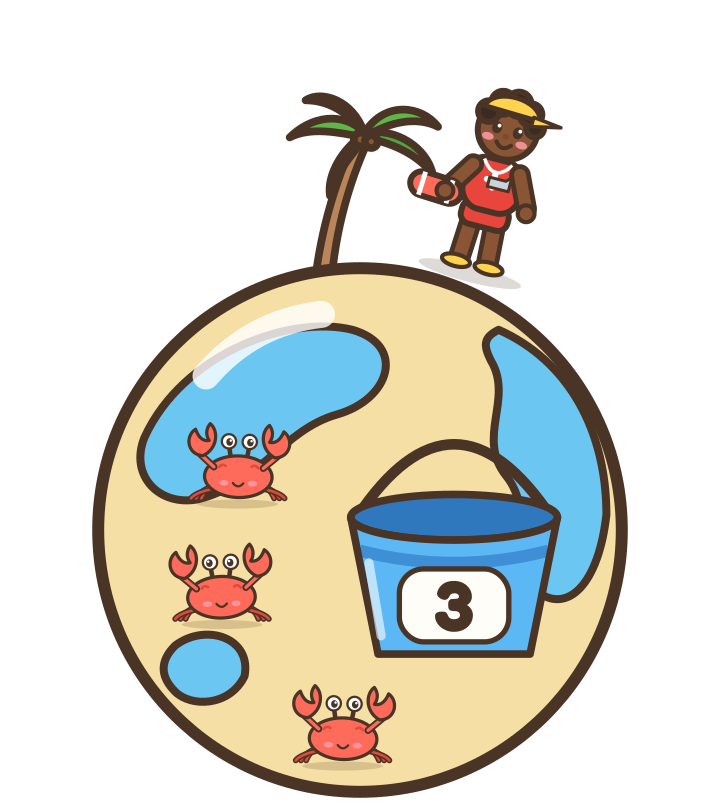
- Count out loud with the voice. When the crabs are counted, say the numbers together, then ask “How many?” Saying the total again after a count is what helps the last number come to mean how many.
- Wait before you help. If your child gets stuck, help comes by itself: what to do is said again, then a hand shows the move. Give it a moment before you step in.
- Point, don’t tap. If you do help, point or ask a question (“Which one is the triangle?”) rather than doing the move. The win should be theirs.
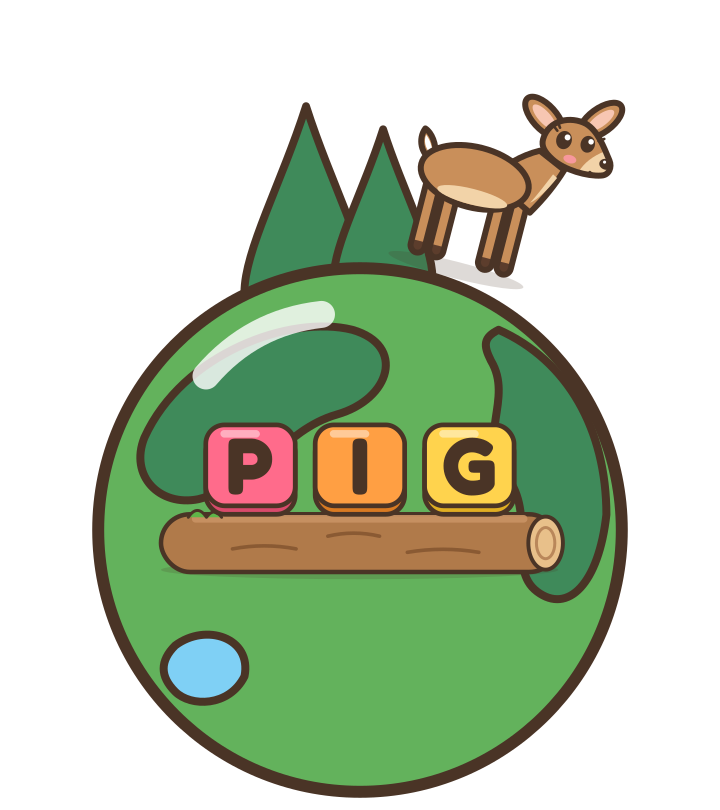
- Say the letter with the voice. In Letters, say each letter’s name as it lands. Then look for it together: on a cereal box, a sign, the first letter of their name.
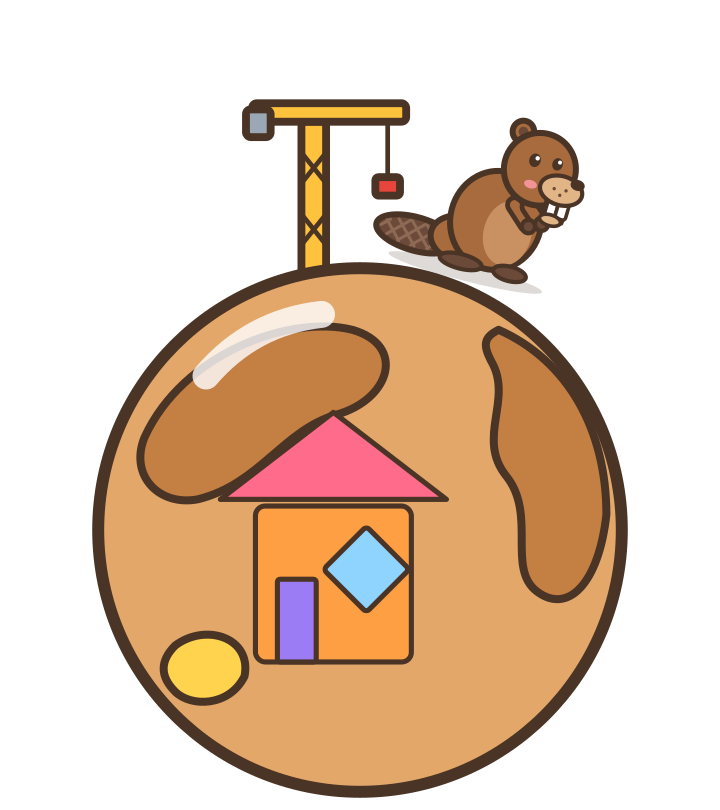
- Name the odd shapes. In Shapes, a long thin triangle is still a triangle, and a turned square is still a square. Say so when one comes up.
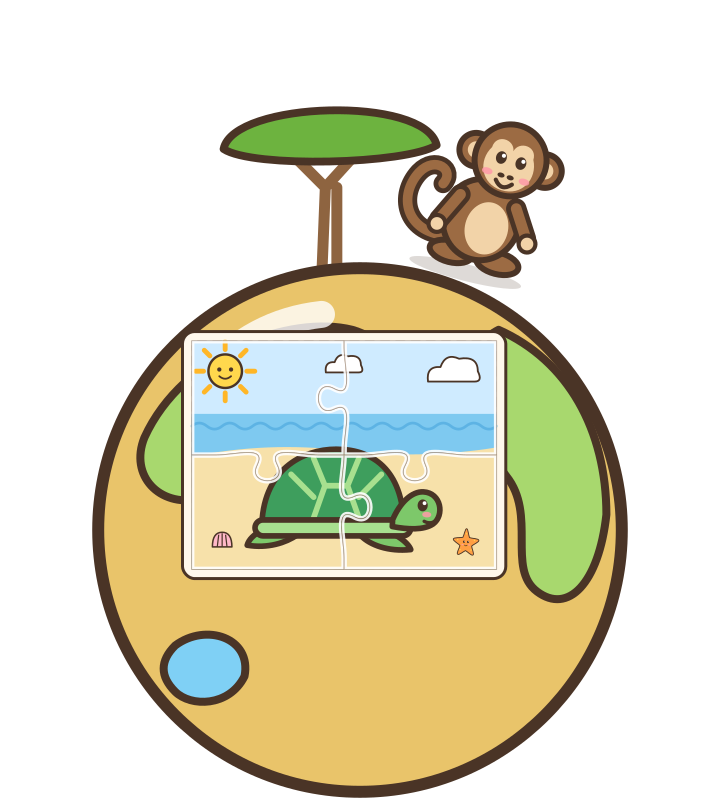
- Talk about where it goes. In Puzzles, use words like top, corner and next to. That kind of talk is a big part of what puzzles teach.
- Cheer the doing, not a score. There are no points or timers. “You found all the crabs!” says more than “Good job.”
After you play
- Take one idea off the screen. Count the forks as you set the table, touching each one. Ask for “three crackers, please”.
- Find shapes and letters around you. The clock is a circle, the door a rectangle; the first letter of their name is on the mail.
- Let them stop. The app is made to be outgrown. When a world is easy, that is the point: they have got it.
Where these ideas come from
The levels, and the tips on this page, follow what is known about how children of 3 to 5 learn. A few of the studies and guides behind them:
- Teaching math to young children, a practice guide (Institute of Education Sciences, 2013): ies.ed.gov
- Mix, Sandhofer, Moore and Russell (2012), on naming a group and counting it: eric.ed.gov
- Gunderson and Levine (2011), on parents’ number talk at home: pubmed.ncbi.nlm.nih.gov
- Piasta and Wagner (2010), on teaching letter names and sounds together: pmc.ncbi.nlm.nih.gov
- Clements and others (1999), on young children’s ideas of shapes: nctm.org
- Levine and others (2012), on puzzle play and spatial skills: news.uchicago.edu
Little Worlds: Learning
Four little worlds, ten levels each, free, with no ads and nothing to buy.
Coming soon to the App Store
More about Learning